
Drawing Of Inferences
Drawing Of Inferences - Background knowledge college textbook authors expect you to have a certain amount. Through careful examination of language usage, grammatical structures, and literary devices, readers. Web what is ai inference? Unlike observations, inferences are not direct facts that. Web if you ask your child where the kids in the picture are going, they might say, “to the beach” or “swimming.” what your child is doing is making an inference. Web drawing inferences in fiction is a vital skill in understanding literature. Web in contrast, when we make inferences, we reach conclusions based on evidence and reasoning. Web we draw inferences even from implied facts, implications; Web this article discusses the epistemology of design as a process, arguing specifically that sketching and drawing are essential modes of thinking and reasoning. Deductive inferences are the strongest because they can guarantee the truth of their conclusions. Web drawing inferences in fiction is a vital skill in understanding literature. Web inference is the process of drawing conclusions based on available information. Unlike observations, inferences are not direct facts that. To explain what part of a text means while drawing inferences about that text common. Web an inference is when you draw evidence from a text or have an certain experience that can lead to a sort of conclusion that is not absolutely just out there, because you have text or. Making inferences is the process of figuring out missing information from information. Making inferences as you read; Web this article discusses the epistemology of design as a process, arguing specifically that sketching and drawing are essential modes of thinking and reasoning. Deductive inferences are the strongest because they can guarantee the truth of their conclusions. We figure things out by applying our own knowledge and experience to the. Making inferences is the process of figuring out missing information from information. It’s when you go beyond the evidence and reach some further conclusion. Web inference is drawing conclusions based on information that has been implied rather than directly stated and is an essential skill in reading comprehension. Hayakawa, language in thought and action (2 nd. The skill requires children. Many authors will put you. Making inferences as you read; Web inferences can be deductive, inductive, or abductive. Unlike observations, inferences are not direct facts that. Web inference is drawing conclusions based on information that has been implied rather than directly stated and is an essential skill in reading comprehension. Web inferences can be deductive, inductive, or abductive. Many authors will put you. These inferences anchor charts will help your students get more from their reading. Web learning to draw conclusions and inferences is a skill that develops over time. Through careful examination of language usage, grammatical structures, and literary devices, readers. Web we draw inferences even from implied facts, implications; Web an inference is the process of drawing a conclusion from supporting evidence. Web an inference is when you draw evidence from a text or have an certain experience that can lead to a sort of conclusion that is not absolutely just out there, because you have text or. Web inferences. The skill requires children to put together various pieces of information, and relies on good word. Through careful examination of language usage, grammatical structures, and literary devices, readers. An inference.is a statement about the unknown made on the basis of the known. Web inferences can be deductive, inductive, or abductive. Unlike observations, inferences are not direct facts that. Through careful examination of language usage, grammatical structures, and literary devices, readers. Web learning to draw conclusions and inferences is a skill that develops over time. Web inference is drawing conclusions based on information that has been implied rather than directly stated and is an essential skill in reading comprehension. Inference is the act of drawing conclusions based on observations. Through careful examination of language usage, grammatical structures, and literary devices, readers. Web inferences can be deductive, inductive, or abductive. Deductive inferences are the strongest because they can guarantee the truth of their conclusions. Web inference is the process of drawing conclusions based on available information. Web students must look past what the text says and draw deeper conclusions as. Making inferences as you read; Web drawing inferences in fiction is a vital skill in understanding literature. It’s when you go beyond the evidence and reach some further conclusion. Making inferences is the process of figuring out missing information from information. Web inferences can be deductive, inductive, or abductive. Web inference is drawing conclusions based on information that has been implied rather than directly stated and is an essential skill in reading comprehension. Web a reader who thinks about the subtext in a reading may make inferences meaning that has been uncovered by considering the subtext of a reading, drawing from your own. Making inferences is a comprehension strategy. Web inferences can be deductive, inductive, or abductive. We figure things out by applying our own knowledge and experience to the. Web we draw inferences even from implied facts, implications; Making inferences as you read; Inferring is a key part of building reading. Web inference is drawing conclusions based on information that has been implied rather than directly stated and is an essential skill in reading comprehension. Many authors will put you. Web if you ask your child where the kids in the picture are going, they might say, “to the beach” or “swimming.” what your child is doing is making an inference. Web learning to draw conclusions and inferences is a skill that develops over time. Making inferences as you read; Making inferences is a comprehension strategy used. Through careful examination of language usage, grammatical structures, and literary devices, readers. Hayakawa, language in thought and action (2 nd. An inference.is a statement about the unknown made on the basis of the known. Unlike observations, inferences are not direct facts that. Web we draw inferences even from implied facts, implications; Web in contrast, when we make inferences, we reach conclusions based on evidence and reasoning. Deductive inferences are the strongest because they can guarantee the truth of their conclusions. Web an inference is when you draw evidence from a text or have an certain experience that can lead to a sort of conclusion that is not absolutely just out there, because you have text or. Web students must look past what the text says and draw deeper conclusions as they read. Inferring is a key part of building reading.
1202BK_1.JPG Inference, Comprehension strategies, Teaching reading
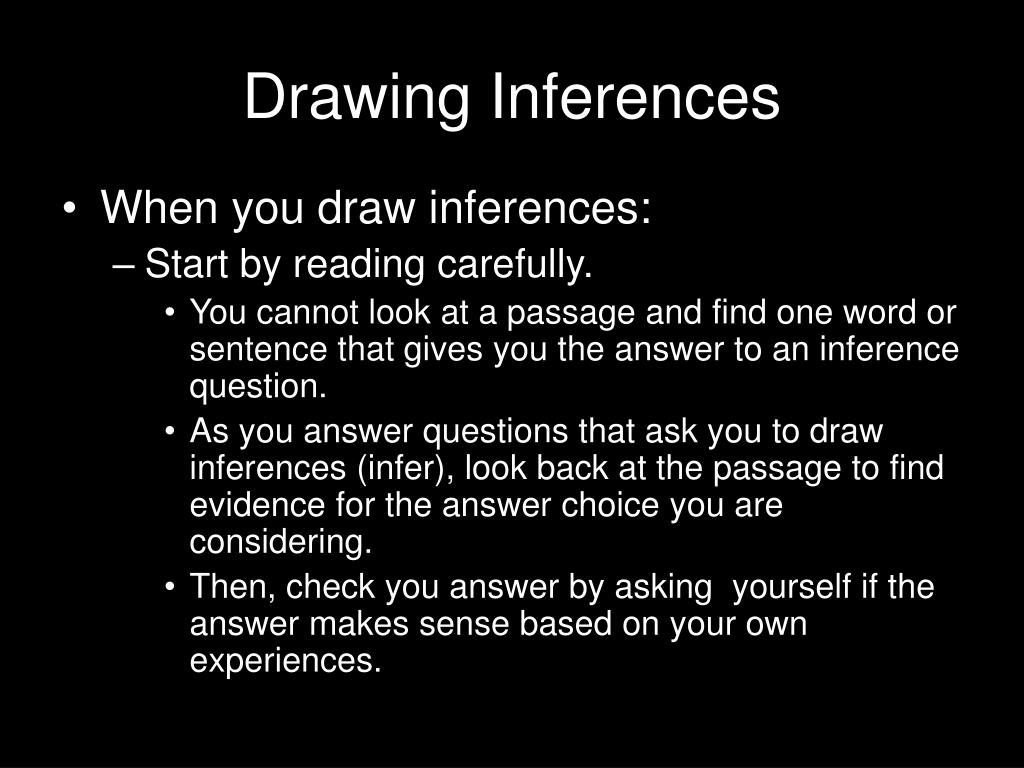
PPT Drawing Inferences PowerPoint Presentation, free download ID

Inferring (Making Inferences) Reading Posters Classroom Decor in 2021

One Pager Making Inferences Reading Comprehension Strategy AccuTeach
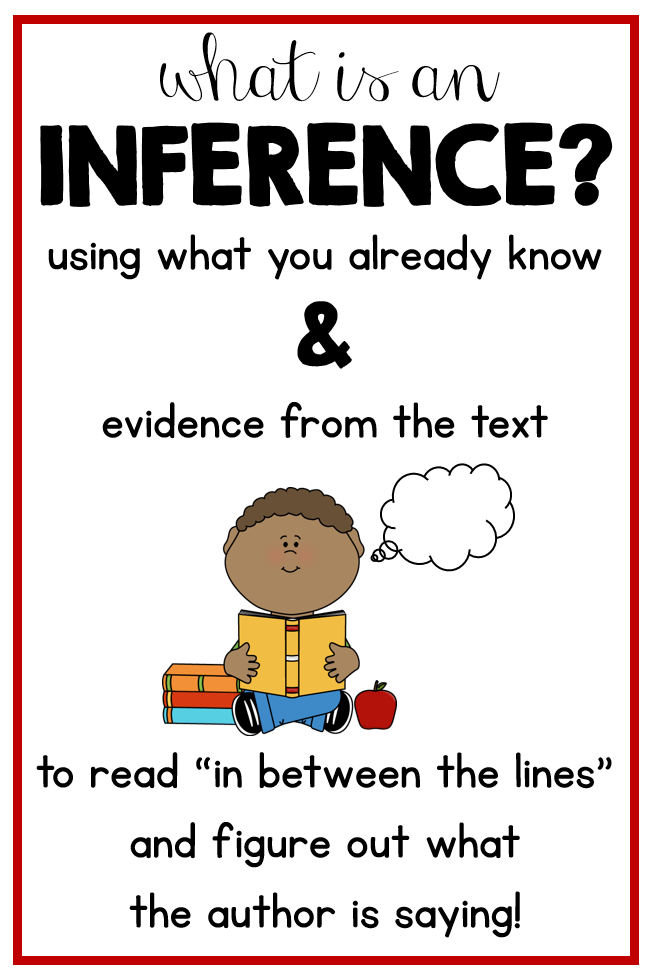
Susan Jones Teaching Making Inferences Lessons and some FREEBIES!

Inference How To Anchor Chart Rockin Resources
How to Draw Inferences YouTube
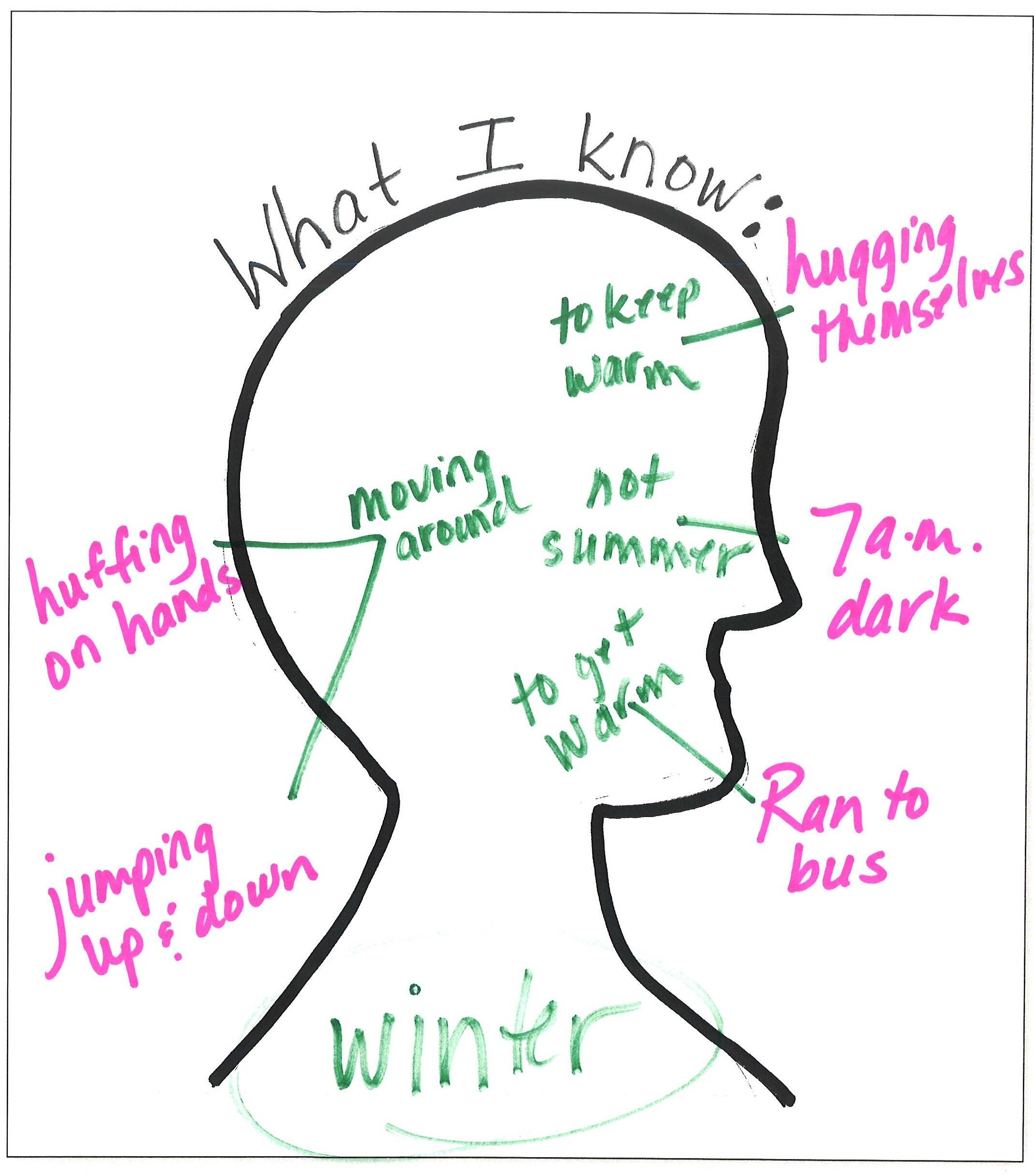
How To Draw Inferences Theatrecouple Cafezog

Drawing Inferences Worksheet by Teach Simple
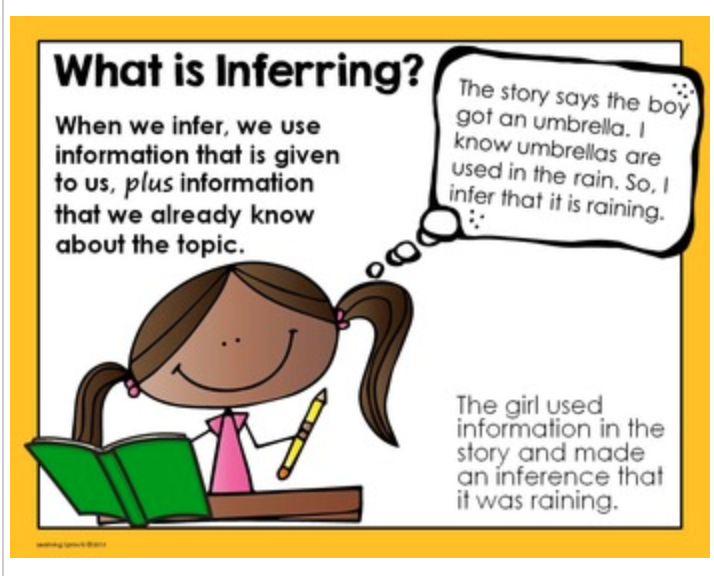
Drawing Inferences Mrs. Caporale’s 4th Grade Class
Web The Purpose Of That Part Of The Video Was To Give You An Example Of Somewhere Where You Would Have To Draw Inferences To Fully Understand The Story.
These Inferences Anchor Charts Will Help Your Students Get More From Their Reading.
Web Inference Is The Process Of Drawing Conclusions Based On Available Information.
To Explain What Part Of A Text Means While Drawing Inferences About That Text Common.
Related Post: